


The Aisle That Eats You Back
They promised “better food.” Cleaner, greener, kinder. The meat in the freezer hums under bright lights: lab-grown, plant-based, fortified. The labels shout PROTEIN and SUSTAINABLE, but the ingredient lists read like small novels. In the theory nobody wants to say out loud, those paragraphs aren’t just chemistry. They’re firmware.
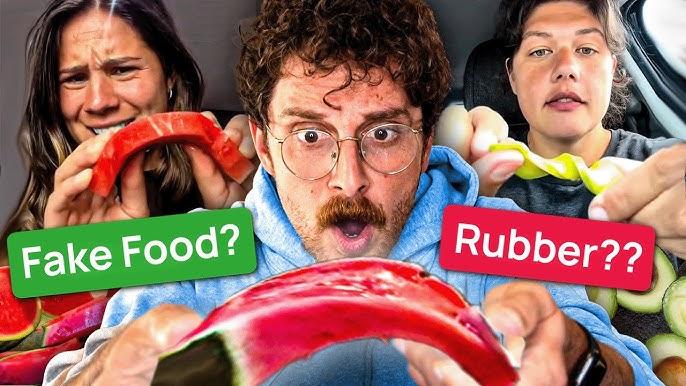
Fake meat was the first carrier. Once they moved flesh from farms to factories, it was easy to slip in things that don’t show up on calorie charts: nano-capsules that survive your stomach, unfold in your blood, and nest in your nerves like dust in an old keyboard. Fake eggs followed: flawless ovals, perfect yolks, shells that never quite feel right in your hand. Crack them and you’re cracking a delivery system, not a food. The irradiated vegetables are the polite camouflage, a health halo sprayed over crops that last forever because they’re more plastic than plant.
The particles don’t have to be smart. They just have to listen. Your phone does the thinking for them. Every time you hold it too close to your face, every time you fall asleep with it on your chest, it is mapping you: pulse patterns through the camera, micro-movements in your pupils, stress in your voice. The “health features” that tell you how much you slept are the same sensors that tell the system how well the experiment is going.
5G is the leash. Old networks pushed data; this one, in the story, pushes instructions. Bursts of frequency no one outside a sealed lab will ever see the raw specs for. The nanos in your body vibrate, ever so slightly, when the right patterns hit. Not enough to throw you across the room, just enough to tilt the table inside your skull: more hunger, less focus, a sudden craving for sugar when your willpower was about to kick in. Your mood feels like yours. It’s just been nudged a few degrees toward “tired but compliant.”
Sicker bodies are profitable; obedient minds are stable. Between the two, there’s a sweet spot where you’re just well enough to work and just unwell enough to spend everything you make trying to feel normal. That’s where the food keeps you. That’s where the network keeps you. You medicate the side effects of the last purchase with the next purchase and call it life.
Here’s the twist the wildest theorists whisper: what if the goal isn’t even control for its own sake? What if they’re training something else using you as the interface? Every fake burger, every synthetic omelet, every shine-proof tomato is standardized input. Every little change in your heart rate, your scrolling speed, your late-night searches is standardized output. Feed that into a system big enough, long enough, and you don’t just have obedient customers. You have a complete, working simulation of human desire.
One day, the story goes, the meat won’t need to resemble meat, the eggs won’t need shells, the vegetables won’t need to pretend they touched soil. The nanos will have done their job. The network will have finished its recording. The model will be finished: an artificial species, built out of our cravings and fears, that already knows exactly how to keep itself fed.
When that happens, the food in the aisles won’t be designed for you at all. You will only have been the taste-test.
They promised “better food.” Cleaner, greener, kinder. The meat in the freezer hums under bright lights: lab-grown, plant-based, fortified. The labels shout PROTEIN and SUSTAINABLE, but the ingredient lists read like small novels. In the theory nobody wants to say out loud, those paragraphs aren’t just chemistry. They’re firmware.
Fake meat was the first carrier. Once they moved flesh from farms to factories, it was easy to slip in things that don’t show up on calorie charts: nano-capsules that survive your stomach, unfold in your blood, and nest in your nerves like dust in an old keyboard. Fake eggs followed: flawless ovals, perfect yolks, shells that never quite feel right in your hand. Crack them and you’re cracking a delivery system, not a food. The irradiated vegetables are the polite camouflage, a health halo sprayed over crops that last forever because they’re more plastic than plant.
The particles don’t have to be smart. They just have to listen. Your phone does the thinking for them. Every time you hold it too close to your face, every time you fall asleep with it on your chest, it is mapping you: pulse patterns through the camera, micro-movements in your pupils, stress in your voice. The “health features” that tell you how much you slept are the same sensors that tell the system how well the experiment is going.
5G is the leash. Old networks pushed data; this one, in the story, pushes instructions. Bursts of frequency no one outside a sealed lab will ever see the raw specs for. The nanos in your body vibrate, ever so slightly, when the right patterns hit. Not enough to throw you across the room, just enough to tilt the table inside your skull: more hunger, less focus, a sudden craving for sugar when your willpower was about to kick in. Your mood feels like yours. It’s just been nudged a few degrees toward “tired but compliant.”
Sicker bodies are profitable; obedient minds are stable. Between the two, there’s a sweet spot where you’re just well enough to work and just unwell enough to spend everything you make trying to feel normal. That’s where the food keeps you. That’s where the network keeps you. You medicate the side effects of the last purchase with the next purchase and call it life.
Here’s the twist the wildest theorists whisper: what if the goal isn’t even control for its own sake? What if they’re training something else using you as the interface? Every fake burger, every synthetic omelet, every shine-proof tomato is standardized input. Every little change in your heart rate, your scrolling speed, your late-night searches is standardized output. Feed that into a system big enough, long enough, and you don’t just have obedient customers. You have a complete, working simulation of human desire.
One day, the story goes, the meat won’t need to resemble meat, the eggs won’t need shells, the vegetables won’t need to pretend they touched soil. The nanos will have done their job. The network will have finished its recording. The model will be finished: an artificial species, built out of our cravings and fears, that already knows exactly how to keep itself fed.
When that happens, the food in the aisles won’t be designed for you at all. You will only have been the taste-test.
The Aisle That Eats You Back
They promised “better food.” Cleaner, greener, kinder. The meat in the freezer hums under bright lights: lab-grown, plant-based, fortified. The labels shout PROTEIN and SUSTAINABLE, but the ingredient lists read like small novels. In the theory nobody wants to say out loud, those paragraphs aren’t just chemistry. They’re firmware.
Fake meat was the first carrier. Once they moved flesh from farms to factories, it was easy to slip in things that don’t show up on calorie charts: nano-capsules that survive your stomach, unfold in your blood, and nest in your nerves like dust in an old keyboard. Fake eggs followed: flawless ovals, perfect yolks, shells that never quite feel right in your hand. Crack them and you’re cracking a delivery system, not a food. The irradiated vegetables are the polite camouflage, a health halo sprayed over crops that last forever because they’re more plastic than plant.
The particles don’t have to be smart. They just have to listen. Your phone does the thinking for them. Every time you hold it too close to your face, every time you fall asleep with it on your chest, it is mapping you: pulse patterns through the camera, micro-movements in your pupils, stress in your voice. The “health features” that tell you how much you slept are the same sensors that tell the system how well the experiment is going.
5G is the leash. Old networks pushed data; this one, in the story, pushes instructions. Bursts of frequency no one outside a sealed lab will ever see the raw specs for. The nanos in your body vibrate, ever so slightly, when the right patterns hit. Not enough to throw you across the room, just enough to tilt the table inside your skull: more hunger, less focus, a sudden craving for sugar when your willpower was about to kick in. Your mood feels like yours. It’s just been nudged a few degrees toward “tired but compliant.”
Sicker bodies are profitable; obedient minds are stable. Between the two, there’s a sweet spot where you’re just well enough to work and just unwell enough to spend everything you make trying to feel normal. That’s where the food keeps you. That’s where the network keeps you. You medicate the side effects of the last purchase with the next purchase and call it life.
Here’s the twist the wildest theorists whisper: what if the goal isn’t even control for its own sake? What if they’re training something else using you as the interface? Every fake burger, every synthetic omelet, every shine-proof tomato is standardized input. Every little change in your heart rate, your scrolling speed, your late-night searches is standardized output. Feed that into a system big enough, long enough, and you don’t just have obedient customers. You have a complete, working simulation of human desire.
One day, the story goes, the meat won’t need to resemble meat, the eggs won’t need shells, the vegetables won’t need to pretend they touched soil. The nanos will have done their job. The network will have finished its recording. The model will be finished: an artificial species, built out of our cravings and fears, that already knows exactly how to keep itself fed.
When that happens, the food in the aisles won’t be designed for you at all. You will only have been the taste-test.
0 Comments
0 Shares
3K Views
0 Reviews

 Arabic
 French
 Spanish
 Portuguese
 Deutsch
 Turkish
 Dutch
Dutch
 Italiano
 Russian
 Romaian
 Portuguese (Brazil)
 Greek
Greek
