


The Moon Isn’t a Rock — It’s a Recorder
For decades, we were told the Moon is just a lifeless satellite — rock, dust, and silence. But what if it’s not reflecting sunlight… but listening?
The Lunar Recorder Theory claims that the Moon is an ancient surveillance device — a hollow construct placed in orbit long before modern civilization. According to the theory, when NASA’s Apollo missions detonated seismic charges in 1969, the Moon “rang like a bell” for over an hour — proof, some say, that it’s hollow and metallic inside.
The story goes deeper. The Moon always shows us the same face, perfectly synchronized with Earth’s rotation. Coincidence? Or calibration? Supporters believe the far side houses colossal antenna arrays — not built by humans, but by an unknown intelligence that uses the Moon as a data archive.
Every sound, vibration, and radio frequency on Earth is said to be recorded — not to spy on us directly, but to preserve the timeline itself. The Moon is the backup drive of civilization. When global events shift, or history is altered, the Moon’s reflected light supposedly carries “corrections” — electromagnetic pulses that re-stabilize the simulation.
Why do we see the Moon during daylight? Why does its light feel colder than the Sun’s reflection? The theory claims that lunar light is not reflection at all — but projection. The surface acts like a holographic mirror, replaying a data feed we mistake for light.
Some even say that eclipses aren’t celestial alignments — they’re system reboots. The world goes dark for a moment while reality updates.
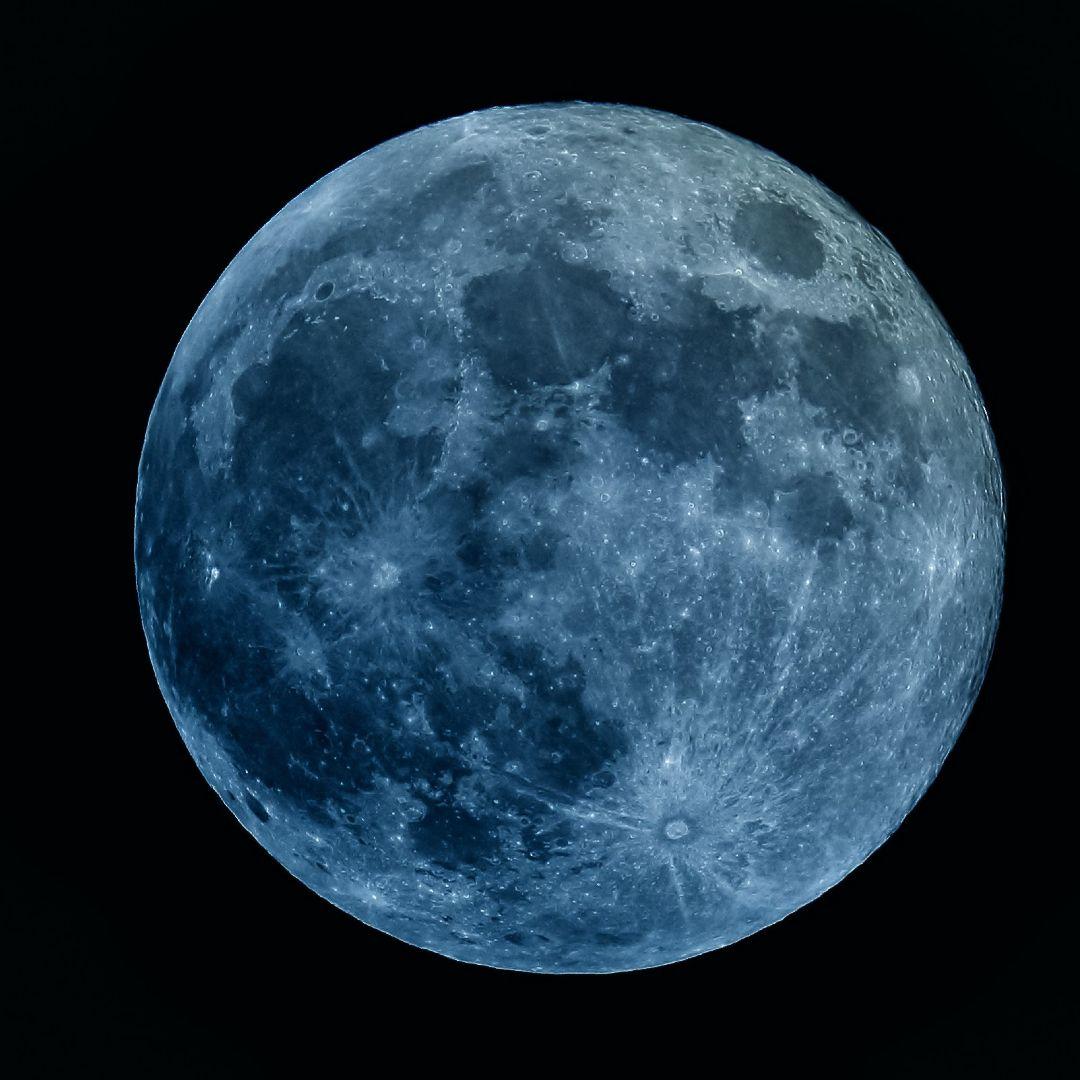
So when you look at the Moon tonight, remember: maybe it’s not shining down on us. Maybe it’s watching — and recording — every thought, every sound, every second of human history.
For decades, we were told the Moon is just a lifeless satellite — rock, dust, and silence. But what if it’s not reflecting sunlight… but listening?
The Lunar Recorder Theory claims that the Moon is an ancient surveillance device — a hollow construct placed in orbit long before modern civilization. According to the theory, when NASA’s Apollo missions detonated seismic charges in 1969, the Moon “rang like a bell” for over an hour — proof, some say, that it’s hollow and metallic inside.
The story goes deeper. The Moon always shows us the same face, perfectly synchronized with Earth’s rotation. Coincidence? Or calibration? Supporters believe the far side houses colossal antenna arrays — not built by humans, but by an unknown intelligence that uses the Moon as a data archive.
Every sound, vibration, and radio frequency on Earth is said to be recorded — not to spy on us directly, but to preserve the timeline itself. The Moon is the backup drive of civilization. When global events shift, or history is altered, the Moon’s reflected light supposedly carries “corrections” — electromagnetic pulses that re-stabilize the simulation.
Why do we see the Moon during daylight? Why does its light feel colder than the Sun’s reflection? The theory claims that lunar light is not reflection at all — but projection. The surface acts like a holographic mirror, replaying a data feed we mistake for light.
Some even say that eclipses aren’t celestial alignments — they’re system reboots. The world goes dark for a moment while reality updates.
So when you look at the Moon tonight, remember: maybe it’s not shining down on us. Maybe it’s watching — and recording — every thought, every sound, every second of human history.
The Moon Isn’t a Rock — It’s a Recorder
For decades, we were told the Moon is just a lifeless satellite — rock, dust, and silence. But what if it’s not reflecting sunlight… but listening?
The Lunar Recorder Theory claims that the Moon is an ancient surveillance device — a hollow construct placed in orbit long before modern civilization. According to the theory, when NASA’s Apollo missions detonated seismic charges in 1969, the Moon “rang like a bell” for over an hour — proof, some say, that it’s hollow and metallic inside.
The story goes deeper. The Moon always shows us the same face, perfectly synchronized with Earth’s rotation. Coincidence? Or calibration? Supporters believe the far side houses colossal antenna arrays — not built by humans, but by an unknown intelligence that uses the Moon as a data archive.
Every sound, vibration, and radio frequency on Earth is said to be recorded — not to spy on us directly, but to preserve the timeline itself. The Moon is the backup drive of civilization. When global events shift, or history is altered, the Moon’s reflected light supposedly carries “corrections” — electromagnetic pulses that re-stabilize the simulation.
Why do we see the Moon during daylight? Why does its light feel colder than the Sun’s reflection? The theory claims that lunar light is not reflection at all — but projection. The surface acts like a holographic mirror, replaying a data feed we mistake for light.
Some even say that eclipses aren’t celestial alignments — they’re system reboots. The world goes dark for a moment while reality updates.
So when you look at the Moon tonight, remember: maybe it’s not shining down on us. Maybe it’s watching — and recording — every thought, every sound, every second of human history.
0 Reacties
0 aandelen
2K Views
0 voorbeeld

 English
 Arabic
 French
 Spanish
 Portuguese
 Deutsch
 Turkish
 Italiano
 Russian
 Romaian
 Portuguese (Brazil)
 Greek
Greek
